




By Dr. Ruslan Maidans, DDS, and Dr. Yalda Shahriari, PhD, Co-Founders of NOWATA™
Your canteen is half full, chow is an MRE, and your hands still smell like CLP from weapons cleaning. Do you pour some of that water over your hands, or save it for later?
Most people save it. Honestly, we would too.
That trade-off is the whole problem with field hygiene without water. In training, on deployment, on the fireline, or during a long search, water gets rationed for drinking first, and handwashing quietly drops off the list.
We're a dentist and a biomedical engineer, and we're parents first. We built NOWATA Soap for the moments when a sink isn't an option. If you have safe running water and a wash station, use them. Soap and water are still the standard, and we'll keep saying so.
Below, you'll find how we'd plan hand hygiene for the field, plus where rinse-free soap earns a spot in your kit and where it doesn't.
*Based on laboratory testing using a modified ASTM E1174 test, NOWATA physically removed over 99.9% of virus (Murine Norovirus, a human norovirus surrogate) and bacteria (E.coli) particles from skin. Results do not imply disease prevention. For hand cleansing only.
This article is general information, not medical advice. Follow your unit SOP, your field sanitation team, and your agency or incident guidance.
TL;DR Quick Answers
Field Hygiene Without Water
Field hygiene without water means cleaning your hands in training, on deployment, or on the fireline without touching the water you need to drink. Wash with soap and water when a station is available. When it isn't, choose the method that fits how dirty your hands actually are.
What to pack:
-
Drinking water, which always comes first
-
Hand sanitizer with at least 60% alcohol, for hands that aren't visibly dirty
-
Rinse-free soap that physically removes dirt, oils, and 99.9% of germs* with zero water
-
Trash bags for packing out the residue
When to use what:
-
Wash station nearby: soap and water.
-
Hands look clean, no station: sanitizer works as a backup.
-
Hands are greasy or grimy, no station: rinse-free soap. Rub until it clumps, then brush it into a trash bag.
Top Takeaways
-
Field water gets rationed, and drinking wins every time.
-
Your hands get dirtiest when water is scarcest, during weapons cleaning, vehicle work, and line digging.
-
The FDA says not to use sanitizer on visibly dirty or greasy hands.
-
Rinse-free soap uses zero water. It lifts dirt, oils, and germs off your skin, and the residue brushes into a trash bag.
-
Pack by the wash. Plan on about eight per person per day, and one tube of NOWATA Soap covers 80–100.

Why Hand Hygiene In The Field Is The First Thing To Slip
Handwashing and drinking pull from the same water supply. Drinking always wins.
Armies have treated field hygiene and sanitation as part of keeping troops fit for duty for generations. It covers clean water, food safety, waste disposal, and personal hygiene, because an illness that has nothing to do with the mission can still sideline a unit.
The timing works against you. Hands pick up the most grime right when water runs shortest:
-
Cleaning weapons and servicing vehicles
-
Digging fighting positions or cutting fireline
-
Handling ropes, litters, and gear on a search
-
Eating an MRE or a sack lunch miles from a sink
Everyone knows they should wash. They skip it on purpose to protect the canteen, and that's the gap we plan around.
When Hand Sanitizer Isn't Enough
Sanitizer makes a solid backup, but nobody designed it for field dirt.
The FDA says to skip sanitizer when your hands are visibly dirty or greasy and wash with soap and water instead. After a day of field work, that describes most hands.
Keep two more things in mind. Sanitizer is flammable, so rub until your hands feel completely dry before you get near a stove, a burn barrel, or a fire. Alcohol can also dry out skin that wind, cold, and work have already cracked.
That's where rinse-free soap fits. NOWATA physically removes dirt, oils, and 99.9% of germs* instead of leaving them on your skin, and it contains no alcohol. Treat it as a complement to your issued supplies, never a replacement for them.
Field Hygiene Without Water By Scenario
Basic Training Toiletries List: What To Check Before You Pack
Your recruit packet has the final say on your basic training toiletries list. Military OneSource's basic training packing list covers the usual basics and warns that anything not on your list may be taken away when you arrive. It also lists alcohol-based health products among the prohibited items. Flying to reception? Your liquids have to meet the TSA 3-1-1 liquids rule, which caps carry-on containers at 3.4 oz.
Rinse-free soap comes in later. It earns its spot during field training exercises, AIT, and OSUT field phases, and it makes a thoughtful addition to a family care package once your recruit receives one.
Deployment Hygiene Kit For Field Exercises And Austere Posts
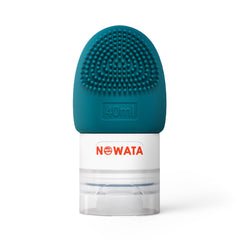
Plan your deployment hygiene kit for days without a shower and long stretches without a sink. We'd keep a small bottle of rinse-free soap in your assault pack and a second one in the vehicle so you can clean up before chow. Our 1.35 oz Silicone Refillable Bottle keeps the weight down.
Wildland Firefighter Hygiene On The Fireline And In Fire Camp
Wildland firefighter hygiene means long shifts, soot, ash, and a shower that might be a day away. Clean your hands before you eat on the line, even when fire camp's wash station sits miles off. Rinse-free soap lifts dirt, oils, and soot residue from your hands without drawing on drinking water. After the shift, follow your agency's decontamination guidance.
Search And Rescue Hygiene Kit For Long Callouts
A search and rescue hygiene kit has to work on day two of a callout, when you've carried in only the water you plan to drink. Clean your hands before you handle food and after you handle gear. Then brush the residue into a trash bag and pack it out with everything else. The National Park Service's tips for personal hygiene while camping are worth a look for multi-day searches, too.
Build A Field Hygiene Kit: The Checklist
A good field hygiene kit plans for plenty of water, a little, or none at all.
Per person, for 72 hours:
-
Rinse-free soap: enough for about 24 washes (one tube covers 80–100)
-
Hand sanitizer (60%+ alcohol): a small bottle for hands that aren't visibly dirty
-
Trash bags: for residue, waste, and pack-out
-
Nitrile gloves: a few pairs for dirty jobs
-
Foot powder and spare socks, since your feet count as field hygiene too
-
Toothbrush kit: small, light, and non-negotiable
-
Dry shampoo for the days a shower isn't happening
-
Moist towelettes: one pack for face and body
Where it lives:
-
Ruck or 24-hour pack: rinse-free soap, sanitizer, and two trash bags
-
Vehicle or engine compartment: a backup kit
-
Locker or station: restock supplies
Heading home after a deployment or rotation? Your family's go bags need the same thinking. Ou emergency preparedness hand hygiene kit guide covers hurricane kits, go bags, and power outages.
How To Use Rinse-Free Soap In The Field
The whole routine takes about 20 seconds and zero plumbing.
-
Apply: put a dime-sized drop of NOWATA Soap on dry hands.
-
Rub: work it in for 15–20 seconds until it clumps with the dirt and oils. Get the backs of your hands, between your fingers, and around your nails.
-
Brush off: sweep the clumps into a trash bag and pack them out.
Very dirty hands may need a second round.
Field Kit Math: How Much To Pack
We plan on about eight hand washes per person per day in the field. That covers meals, latrine trips, and dirty work.
-
72-hour field problem: 24 washes, so one tube
-
14-day field exercise: 112 washes, so pack two tubes
-
Four-person team for 72 hours: 96 washes, so two tubes give you some cushion
Each rinse-free wash saves up to 2 gallons of water. Over a 14-day exercise, that adds up to as much as 224 gallons per person you can keep for drinking and cooking.
Where To Buy The Best Field Hygiene Kit Soap Online
You can buy NOWATA Soap online directly from us.
-
NOWATA Soap: from $18.99
-
Super Saver Bundle: $59.96, for stocking a team or a care package
-
Silicone Refillable Bottle (1.35 fl oz): $5.99, sized for an assault pack
-
NOWATA™ Dry Shampoo: $21.99
We make every order in the USA. Shipping is free over $45, and every order comes with a 30-day satisfaction guarantee.

"We spent two years developing NOWATA for our own family and the moments when a sink just isn't there. In the field, that moment comes every day, so keep your water for drinking and give your hands a proper clean instead of a coat of alcohol over the grime."
Dr. Ruslan Maidans, DDS, and Dr. Yalda Shahriari, PhD, Co-Founders of NOWATA
Have you used NOWATA on a field exercise, a fire assignment, or a search? Tell us at support@nowataclean.com. We'll share your story only with your written permission, the same consent-first standard health writers follow for patient testimonials.
Essential Resources On "Field Hygiene Without Water": 7 Guides To Read Before Your Next Field Problem
We read each of these primary sources ourselves. Go through them while you're still packing, not once you're already short on water.
1. Budget Your Water Before You Need It
Ready.gov recommends storing at least one gallon per person per day for drinking and sanitation, and an active person needs about three-quarters of that just to stay hydrated. Do the subtraction, and you'll see how little is left for your hands.
Source: Ready.gov, Water
2. Make Questionable Water Safe To Drink
The EPA walks you through boiling and household bleach disinfection for when regular water service stops. It also points out that boiling won't remove chemicals or heavy metals, which matters when you're filling up from a stream or a stock tank.
Source: U.S. Environmental Protection Agency, Emergency Disinfection of Drinking Water
3. Know Exactly When Sanitizer Falls Short
The FDA covers how to use hand sanitizer correctly, why to skip it on visibly dirty or greasy hands, and why to let it dry before you get near heat or flame. Any field kit that carries sanitizer should carry these rules too.
Source: U.S. Food and Drug Administration, Safely Using Hand Sanitizer
4. Understand Why Handwashing With Soap Still Sets The Standard
The Global Handwashing Partnership explains why handwashing with soap remains one of the best ways to stop infections from spreading. Use it as your reminder to reach for soap and water whenever a station is close by.
5. Pack Out What You Clean Off
Leave No Trace's third principle covers every kind of outdoor waste, from food scraps to human waste. We recommend the same pack-it-in, pack-it-out habit for rinse-free soap residue.
Source: Leave No Trace, Principle 3: Dispose of Waste Properly
6. See How Federal Fire Crews Handle Contamination On The Line
The U.S. Wildland Fire Service lays out new steps to cut smoke exposure, including standardized decontamination and paid time to do it. It also notes that contaminants can stay on skin, clothing, and equipment after a shift.
7. Keep Contaminants Off Your Clothes, Too
The National Wildfire Coordinating Group recommends laundering flame-resistant clothing often and separately, and it suggests a shower or a "bath-in-a-bag" when laundry isn't available. Clean hands help. Clean clothes help too.
Source: National Wildfire Coordinating Group, Laundering Wildland Fire Clothing
Supporting Statistics
1. Handwashing Cuts Diarrheal Illness By 23–40%
-
The CDC reports that handwashing education in the community reduces the number of people who get sick with diarrhea by 23–40%.
-
It also cuts respiratory illnesses like colds by 16–21% in the general population.
-
Our take: In a field unit, one stomach bug can work its way through an entire platoon or crew. Washing before chow is cheap insurance, so we'd never want anyone skipping it to save water.
Source: Centers for Disease Control and Prevention, Handwashing Facts
2. The Average American Uses 80–100 Gallons Of Water A Day At Home
-
The USGS estimates that each person uses about 80–100 gallons of water a day for indoor home uses.
-
Many newer bathroom faucets cap flow at about 1 gallon per minute.
-
Our take: In the field, you might carry a few gallons for an entire day, and drinking gets first claim on every one. That gap between home and the field is exactly why we built a soap that uses no water at all.
Source: U.S. Geological Survey, How Much Water Do I Use at Home Each Day?
3. Wildland Firefighters Encounter PAHs On The Line And Off Duty
-
Researchers measured 17 polycyclic aromatic hydrocarbons (PAHs) on wildland firefighters working California wildfires and prescribed burns.
-
Exposure peaked during the tasks with the most direct smoke contact, and firefighters picked up PAHs even while off duty.
-
Our take: Fire crews carry the job home on their skin and gear. NOWATA isn't a decontamination product, and we won't claim it removes PAHs. It does help crews clean dirt, oils, and soot residue off their hands before they eat, without touching the drinking water.
Final Thoughts And Opinion
Most field hygiene advice says "wash your hands" and stops there. Almost none of it asks where that water is supposed to come from.
Where we land:
-
Soap and water come first. If there's a handwashing station, use it, because no product replaces that.
-
Protect the drinking water. Each wash that stays out of the canteen leaves more to drink.
-
Pack for dirty hands, not just germy ones. Field work leaves hands greasy and grimy, and that's exactly where sanitizer comes up short.
-
Pack out what you clean off. Residue goes in a trash bag with everything else you carried in.
Our opinion, as parents and doctors:
The biggest field hygiene mistake we see has nothing to do with picking the wrong product. People skip handwashing entirely to save water, then eat with the same hands that just cleaned a weapon or dug a line.
You don't need a complicated system. You need a water budget, a habit, and one thing in your kit that works when the sink doesn't. We built NOWATA to be that one thing, and we'll always tell you when you don't need it.
A note on how we write these guides: we aim for plain language a tired reader can follow, the patient-first approach laid out in the basics of healthcare blogging.
Frequently Asked Questions
Q: How Do You Practice Field Hygiene Without Water?
A: Save your water for drinking and match the method to how dirty your hands are.
-
Wash with soap and water whenever a station is available.
-
Use 60%+ alcohol sanitizer on hands that aren't visibly dirty.
-
Use rinse-free soap on dirty or greasy hands. Rub until it clumps, then brush it into a trash bag and pack it out.
Q: What Should Be In A Field Hygiene Kit?
A: Here's what we'd pack per person for 72 hours:
-
Rinse-free soap for about 24 washes
-
A small hand sanitizer
-
Trash bags and nitrile gloves
-
A toothbrush kit and foot powder
-
Dry shampoo and moist towelettes
Keep a mini kit in your ruck and a backup in the vehicle.
Q: What Toiletries Are On The Basic Training Toiletries List?
A: Each branch sets its own list, and your recruit packet has the final word.
-
Most lists cover basics like a toothbrush, toothpaste, antiperspirant, shampoo, and soap.
-
If you fly to reception, your liquids have to meet the TSA 3.4 oz carry-on limit.
-
Staff may take away anything that isn't on the list, and alcohol-based health products are generally prohibited.
Save extras like rinse-free soap for later field training or a care package.
Q: What Goes In A Deployment Hygiene Kit?
A: Pack for days without a shower: rinse-free soap, sanitizer, towelettes, foot powder, spare socks, a dental kit, dry shampoo, and trash bags. Follow your unit's packing list first. A refillable 1.35 oz bottle keeps rinse-free soap light in an assault pack.
Q: How Do Wildland Firefighters Keep Their Hands Clean On The Fireline?
A: Crews clean their hands before they eat and after every shift.
-
They use soap and water when fire camp provides it.
-
Between wash stations, rinse-free soap lifts dirt, oils, and soot residue without drawing on drinking water.
-
After each shift, they follow their agency's decontamination guidance.
Q: Is Hand Sanitizer Enough In The Field?
A: It's a good backup but not a full solution. The FDA says not to use sanitizer on visibly dirty or greasy hands, which describes most hands after field work. Sanitizer is also flammable, so let it dry completely before you go near a stove or fire.
Q: How Much Rinse-Free Soap Do I Need For A Field Exercise?
A: Plan on about eight washes per person per day. One NOWATA tube covers 80–100 uses.
-
72 hours: 24 washes, or one tube
-
14 days: 112 washes, or two tubes
Q: Is NOWATA Safe For Sensitive Or Cracked Skin?
A: NOWATA Soap is 100% plant-based and alcohol-free, with no parabens or phosphates, so it won't sting cracked hands the way alcohol can.
-
It contains ethyl macadamiate, which comes from macadamia oil. Talk with your doctor if you have a severe macadamia allergy.
-
If you have known skin allergies, patch test first.
Q: Where Can I Buy The Best Field Hygiene Kit Soap Online?
A: You can buy NOWATA Soap online at nowataclean.com, starting at $18.99. The Super Saver Bundle costs $59.96 and works well for stocking a team or a care package. We make every order in the USA, shipping is free over $45, and each order comes with a 30-day satisfaction guarantee.
Pack NOWATA Before Your Next Field Problem
Your canteen is for drinking, and your hands still deserve a proper clean. Add doctor-made, plant-based, rinse-free NOWATA Soap to your ruck, your vehicle, or your next care package today, backed by our 30-day satisfaction guarantee.
*Based on laboratory testing using a modified ASTM E1174 test, NOWATA physically removed over 99.9% of virus (Murine Norovirus, a human norovirus surrogate) and bacteria (E.coli) particles from skin. Results do not imply disease prevention. For hand cleansing only.
This article is general information, not medical advice. Follow your unit SOP, your field sanitation team, and your agency or incident guidance.
Leave a comment