



By Dr. Ruslan Maidans, DDS, and Dr. Yalda Shahriari, PhD, Co-Founders of NOWATA™
It's day two of a hurricane outage. The well pump quit when the power did, every jug in the garage is set aside for drinking, and your hands are black from dragging branches off the driveway.
So what do you wash with?
That question sits at the center of emergency preparedness hand hygiene, and most kit lists never ask it. Flooding can leave the tap running but unsafe. Many apartment buildings lose the pumps that push water to the upper floors. Stored water goes to drinking first, as it should.
We're two parents, a dentist and a biomedical engineer, and we built NOWATA™ Soap for the moment the sink stops being an option. If you have safe running water, use it. Soap and water are still the standard, and we'll keep saying so.
Here's how we plan hand hygiene into a kit before the forecast turns, and where rinse-free soap earns its spot (and where it doesn't).
*Based on laboratory testing using a modified ASTM E1174 test, NOWATA physically removed over 99.9% of virus (Murine Norovirus, a human norovirus surrogate) and bacteria (E.coli) particles from skin. Results do not imply disease prevention. For hand cleansing only.
This article is general information, not medical advice. During any emergency, follow the instructions from local officials and your water utility.
TL;DR Quick Answers
Emergency Preparedness Hand Hygiene
Emergency preparedness hand hygiene means having a way to clean your hands that doesn't eat into your drinking water. Ready.gov recommends storing one gallon per person, per day, and that single gallon has to cover drinking and sanitation. A normally active adult needs about three-quarters of it just to stay hydrated.
What to pack:
-
Stored water for drinking, cooking, and a soap-and-water wash when the supply allows.
-
Hand sanitizer with at least 60% alcohol for hands that aren't visibly dirty.
-
Trash bags for sanitation and cleanup.
-
Rinse-free soap that physically removes dirt, oils, and 99.9% of germs* without a drop of water.
When to use what:
-
Before the storm: Store water and pack hand hygiene supplies in your home kit, go bag, and car.
-
During the outage: Use safe running water if you have it. If you don't, switch to rinse-free and keep the jugs for drinking.
-
After flooding: Skip any water officials call unsafe, and follow your local notices.
Top Takeaways
-
Plan for no water, not just no power. Electric well pumps stop when the grid goes down, and upper floors in many high-rises lose pressure.
-
Your stored gallon has two jobs. It covers drinking and sanitation, and drinking wins.
-
Sanitizer has limits. The FDA says not to use it on visibly dirty or greasy hands. After storm cleanup, that describes most hands.
-
Rinse-free soap uses zero water. It lifts dirt, oils, and germs off your skin, and the residue brushes into a trash bag.
-
Pack by the wash. Plan on about 24 washes per person for 72 hours. One tube of NOWATA Soap covers 80–100 washes.

Why Hand Hygiene Is The First Thing To Slip In An Emergency
Handwashing shares a water budget with drinking, and drinking always wins.
The checklist for Ready.gov's basic disaster supplies kit calls for one gallon of water per person, per day, for several days, to cover drinking and sanitation. It suggests moist towelettes for personal sanitation and lists soap and hand sanitizer as extras. That's good advice with one gap. Nothing on the list gets genuinely dirty hands clean without dipping into the drinking supply.
An outage is also when hands get the dirtiest. Over a few days you might haul water jugs and gas cans, run a generator, pull soaked carpet out of the basement, and change a diaper by flashlight.
In our house, handwashing is the first habit to slide when water feels tight. Everyone still knows they should wash, but they start skipping it on purpose to protect the jugs. That's the gap we plan around.
When The Power Goes Out, The Water Often Goes With It
An outage turns into a water problem in a few common ways.
Homes On Private Wells
If your well runs on an electric pump, the water stops when the grid does, unless you have a generator wired to the pump. Families on wells can lose running water within hours of losing power.
Apartments And High-Rises
Many taller buildings rely on electric booster pumps to push water upstairs. The lower floors might keep a trickle while the top floors go dry.
When The Tap Runs But Isn't Safe
After hurricanes and floods, the CDC's post-storm safety guidelines say not to wash your hands with water you suspect is contaminated. Bottled, boiled, or treated water is safe for hygiene.
If your area already has a notice, read it closely before you do anything else. Our guide explains which kind of water advisory you're under and what each one means for your hands. During a standard boil water advisory, soap and tap water usually still work for handwashing.
Build A Disaster Preparedness Hygiene Kit: The Hand Hygiene Checklist
A good disaster preparedness hygiene kit plans for plenty of safe water, a little, and none at all.
Per person, for 72 hours:
-
Stored water: At least 3 gallons, the Ready.gov minimum, with drinking water first in line.
-
Rinse-free soap: Enough for about 24 washes. One tube covers 80–100 washes.
-
Hand sanitizer (60%+ alcohol): A small bottle for hands that aren't visibly dirty.
-
Travel-size soap: For the times you do have safe water.
-
Trash bags and ties: For sanitation and for brushing off rinse-free soap residue.
-
Disposable gloves: A few pairs for cleanup and waste.
-
Moist towelettes: One pack, as Ready.gov suggests.
-
Dry shampoo: For the days a shower isn't happening.
-
Diapering supplies: If you have little ones.
Where it lives:
-
Home kit: Everything above, packed in one or two bins you can carry.
-
Go bag: Rinse-free soap, a small sanitizer, towelettes, dry shampoo, and a few trash bags.
-
Car: Rinse-free soap and sanitizer in the glove box.
Check the kit once a year and again before hurricane season. Swap out anything expired and restock whatever you used.
Hurricane Kits, Go Bags, And Power Outages: What Changes By Scenario
Hurricane Kit Hygiene Supplies
Riding out the storm is usually the easy part. Hygiene gets hard during the cleanup days that follow.
The CDC recommends washing your hands before you prepare or eat food, after you use the toilet, after cleanup work, and after you handle anything that touched floodwater or sewage. When safe water runs short, rinse-free soap covers those moments and leaves the drinking supply alone. We walk through every one of those moments, plus full hand coverage, in our guide to the 5 moments and 7 steps of hand hygiene.
We live on the Connecticut shoreline, where nor'easters and late-season hurricanes come with the territory. Our storm bin sits in the garage next to the flashlights.
Go Bag Toiletries That Don't Need A Sink
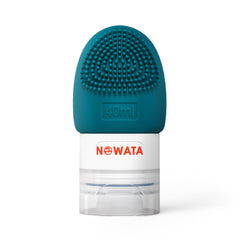
An evacuation can land your go bag in a shelter, a hotel room, or a relative's spare bedroom, so weight and space count. Fill a 1.35 oz silicone bottle with rinse-free soap to keep things light. Dry shampoo stretches the days between showers, and a small sanitizer plus a couple of trash bags finish the kit. If your evacuation plan includes a flight or a long drive, our guide to portable hand soap for travel, camping, and hiking covers packing it for the road.
Power Outage Hygiene When The Pump Stops
A multi-day outage goes better with a simple routine. Set up a hand hygiene station near the kitchen and another near the bathroom, each with rinse-free soap and a lined trash can. Brush the soap clumps into the trash rather than the sink, since there's no running water to rinse them away. Keep the stored water for drinking, cooking, and brushing teeth.
Winter Storms And Frozen Pipes
Ice storms and hard freezes can cut off water as fast as any hurricane. Stock a winter kit the same way, especially if your pipes have frozen before.
What To Look For In Emergency Kit Hand Soap
The best emergency kit hand soap is the one still doing its job on day three. Here's what we'd look for:
-
It needs no water, so it never touches your drinking supply.
-
It handles visibly dirty hands, because storm cleanup is messy work.
-
It's alcohol-free and gentle enough to use many times a day.
-
It's plant-based and kid-safe, since little hands will reach for it too. Our doctor-made guide to keeping kids' hands clean explains what to check on the label.
-
An independent lab tested it, and the company tells you which test it used.
-
Its residue goes straight into a trash bag.
How the usual options compare:
-
Soap and stored water are still the standard when you have plenty of safe water. Every sink wash draws down your drinking supply, though.
-
Alcohol sanitizer (60%+) needs no water, and the CDC recommends it as the backup. FDA guidance on using hand sanitizer safely says not to use it on visibly dirty or greasy hands, and it notes that sanitizer is flammable, so keep it away from candles and open flames until your hands are completely dry.
-
Moist towelettes are on the Ready.gov list. They create bulky trash and can dry out, so check the packs whenever you rotate your kit.
-
NOWATA rinse-free soap needs no water. We designed it for dirt and oils, and it physically removes 99.9% of germs* instead of leaving them on your skin. It's for hand cleansing only.
How To Use No Water Hand Soap In An Emergency
The whole process takes about 20 seconds and zero plumbing.
-
Apply: Put a dime-sized drop of NOWATA Soap on dry hands.
-
Rub: Work it in for 15–20 seconds, until it clumps with the dirt and oils. Get the backs of your hands, between your fingers, and around your nails.
-
Brush off: Brush the clumps into a trash bag. Whatever was on your hands goes with them.
Help younger kids with the rubbing and brushing. Very dirty hands may need a second round.
How Much To Pack: Kit Math For Your Household
We plan on about eight hand washes per person, per day, during an emergency. That covers meals, bathroom trips, and cleanup.
-
One person, 72 hours: 24 washes, covered by one tube.
-
Family of four, 72 hours: 96 washes. Pack two tubes, so you have some cushion.
-
Family of four, two weeks: About 450 washes, or roughly five tubes.
Each rinse-free wash saves up to 2 gallons of water, and that water stays in the jug for drinking.
Where To Buy The Best No Water Hand Soap For Emergencies Online
You can buy NOWATA Soap online directly from us.
-
NOWATA Soap: From $18.99
-
Super Saver Bundle: $59.96, for stocking the whole family's kit
-
Silicone Refillable Bottle (1.35 fl oz): $5.99, sized for go bags
-
NOWATA™ Dry Shampoo: $21.99
Every order is made in the USA, ships free over $45, and comes with a 30-day satisfaction guarantee.

"Every preparedness list tells you to store a gallon per person, per day. After our own family's storm outages, we learned that same gallon quietly has to cover your hands, too, and the week the power goes out is the week our kids' hands get the dirtiest. That's why NOWATA sits in our storm bin next to the flashlights."
— Dr. Ruslan Maidans, DDS, and Dr. Yalda Shahriari, PhD, Co-Founders of NOWATA
Essential Resources On Emergency Preparedness Hand Hygiene: 7 Guides To Read Before The Storm
We check each of these primary sources ourselves. Read them on a calm day, while you still have time to act on them.
1. Stock Hygiene Supplies Like They're Part Of The Plan
Be Ready Utah treats hygiene and sanitation as its own area of preparedness. It walks you through gathering supplies, building a handwashing station for your kit, and knowing when to wash, including after contact with floodwater.
Source: Be Ready Utah, Hygiene & Sanitation
2. Start Your Hurricane Prep Before June 1
The National Weather Service says the best time to prepare is before hurricane season begins on June 1. Its checklist covers your evacuation zone, your emergency kit, and a written family plan.
Source: National Weather Service, What to Do Before the Tropical Storm or Hurricane
3. Plan For The Lights And The Tap Going Out Together
NOAA's hurricane preparedness guide calls for at least a 3-day supply of food, water, and medicine for each person, and it warns that electricity and water could be out at least that long.
Source: NOAA, Assemble Disaster Supplies
4. Build A Kit For Evacuating And A Kit For Staying Home
The Red Cross recommends a 3-day water supply for evacuation and a 2-week supply for home, and it puts sanitation and personal hygiene items on every basic kit list.
Source: American Red Cross, Survival Kit Supplies
5. Make Questionable Water Safe To Use
The EPA walks through boiling times and household bleach disinfection for when your regular water service stops. Families on private wells will get the most out of it.
Source: EPA, Emergency Disinfection of Drinking Water
6. Teach Your Kids A Handwashing Routine They'll Actually Follow
Nemours KidsHealth's pediatrician-reviewed guide walks parents through the right way to wash, the moments that matter most, and what to do when you're out without soap and water. Practice it together on a normal day, and the habit is still there when the power goes out.
Source: Nemours KidsHealth, Hand Washing: Why It's So Important
7. Understand Why Removing Germs Matters
The Global Handwashing Partnership explains that handwashing with soap works by removing bacteria and viruses from your hands before they can spread. It's the same removal principle we built NOWATA around, with the research behind it.
Source: Global Handwashing Partnership, Why Handwashing: Health
Supporting Statistics
These three numbers shaped how we think about hand hygiene in an emergency.
1. More Than 43 Million Americans Rely On Private Wells
-
That's about 15% of the U.S. population.
-
Our take: For households with an electric well pump, a power outage usually means a water outage too. When we help a well-water family plan a kit, we plan for zero running water from the first hour.
Source: U.S. Geological Survey, Domestic (Private) Supply Wells
2. The Average U.S. Customer Lost Power For 11 Hours In 2024
-
That's nearly double the yearly average from the decade before.
-
Hurricanes Beryl, Helene, and Milton accounted for 80% of those hours.
-
Our take: An 11-hour average hides the long tail. Some households go days without power, and those are the families a kit is for.
3. About 3.1 Million Americans Were Displaced By A Disaster In A Single Year
-
That's the average across Census Bureau Household Pulse Survey rounds, or roughly 1 in 70 adults.
-
Hurricanes caused about 45% of those displacements.
-
Between 27% and 41% of displaced people stayed out of their homes for more than a month.
-
Our take: Millions of people have had to actually use a go bag. When you don't know where you'll sleep next week, toiletries that don't need a sink matter.
Final Thoughts And Opinion
Most preparedness advice stops at "store water." Very little of it asks what that water has to cover once the power goes out.
Where we land:
-
Safe running water comes first. If your tap is safe, use it. No product replaces that.
-
Plan before the forecast. Store shelves empty fast once a storm has a name.
-
Protect the drinking supply. Each wash that stays out of the jug leaves more water to drink.
-
Pack for the dirty days. Cleanup is when sanitizer comes up short, and hands need a proper cleaning.
Our opinion, as parents and doctors:
The biggest hygiene mistake we see in emergencies has nothing to do with picking the wrong product. Families ration water, and handwashing is the first thing they give up.
Emergency preparedness hand hygiene doesn't have to be complicated. You need a plan, a water budget, and one thing in the kit that works when the tap won't. We built NOWATA to be that one thing, and we'll always tell you when you don't need it.
Frequently Asked Questions
Q: What Hygiene Supplies Should Be In An Emergency Kit?
A: Start with these hand hygiene basics:
-
Stored water (one gallon per person, per day)
-
Hand sanitizer with at least 60% alcohol
-
Rinse-free soap
-
Trash bags and disposable gloves
-
Moist towelettes
Then add dry shampoo, toothbrushes, feminine supplies, and diapering supplies as your family needs them.
Q: How Do You Wash Your Hands Without Running Water In An Emergency?
A: You have three options:
-
Have someone pour stored bottled, boiled, or treated water over your soapy hands.
-
Use an alcohol-based sanitizer if your hands aren't visibly dirty.
-
Use rinse-free soap. Rub until it clumps, then brush it off into a trash bag.
Q: Is Hand Sanitizer Enough For An Emergency Kit?
A: It makes a good backup, but it can't carry the kit alone. The FDA says not to use sanitizer on visibly dirty or greasy hands, and storm cleanup usually leaves hands both dirty and greasy. Pair it with something that physically removes dirt.
Q: How Much Water Should I Store For Hygiene?
A: Ready.gov recommends one gallon per person, per day, for drinking and sanitation combined.
-
A normally active adult needs about three-quarters of that gallon just to drink.
-
That leaves roughly a quart for cooking, brushing teeth, and washing.
-
The Red Cross recommends a 3-day supply for evacuation and a 2-week supply for home.
Q: What Toiletries Should Go In A Go Bag?
A: Keep it light and sink-free:
-
Rinse-free soap in a refillable travel bottle
-
A small hand sanitizer
-
Dry shampoo
-
A toothbrush and toothpaste
-
Moist towelettes
-
A few trash bags
-
Any feminine or diapering supplies you need
Q: Can I Wash My Hands With Tap Water After A Hurricane?
A: Only if local officials say the water is safe. The CDC advises against washing with water you suspect is contaminated. During a standard boil water advisory, soap and tap water usually still work for handwashing. If officials tell you not to use the water at all, switch to bottled water, sanitizer, or rinse-free soap.
Q: How Many Tubes Of Rinse-Free Soap Does A Family Need For A 72-Hour Kit?
A: Plan on about eight washes per person, per day.
-
A family of four needs about 96 washes over 72 hours.
-
One NOWATA tube covers 80–100 uses.
-
We pack two tubes for 72 hours and about five for a 2-week home supply.
Q: Is Rinse-Free Soap Safe For Kids In An Emergency Kit?
A: NOWATA Soap is 100% plant-based and alcohol-free, with no parabens or phosphates. We made it for our own kids first.
-
Patch test first if your child has known allergies.
-
It contains ethyl macadamiate, which comes from macadamia oil. Talk with your doctor if anyone in your family has a severe macadamia allergy.
-
Supervise younger children while they use it.
Pack NOWATA Before The Forecast Turns
Hand hygiene for emergency preparedness shouldn't depend on tap water. Add doctor-made, rinse-free NOWATA Soap to your hurricane kit, go bag, and glove box today, backed by our 30-day satisfaction guarantee.
*Based on laboratory testing using a modified ASTM E1174 test, NOWATA physically removed over 99.9% of viruses (Murine Norovirus, a human norovirus surrogate) and bacteria (E.coli) particles from skin. Results do not imply disease prevention. For hand cleansing only.
This article is general information, not medical advice. During any emergency, follow the instructions from local officials and your water utility.
Leave a comment