




By the time your family reaches the hotel, your kids have already touched a rideshare door handle, an airport security bin, a gate railing, a tray table, and a rental-car seatbelt. Almost none of those hands found a sink along the way. We’re a dentist and a biomedical engineer, and we’re also the parents who got tired of packing for that gap and hoping for the best.
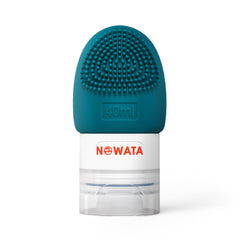
So we built a family travel hygiene kit around one habit: clean hands at every stop between the airport and the hotel room. What follows is the kit we actually carry for our own kids, with NOWATA™ rinse-free soap in the front pocket. We made it for our family first, then started sharing it with yours.
TL;DR Quick Answers
Family Travel Hygiene Kit
A family travel hygiene kit is a small, grab-and-go pouch that keeps hands and surfaces clean when there’s no sink nearby, which covers most of a travel day. Pack these essentials:
-
Rinse-free, plant-based soap, the one item that works with no water
-
A refillable travel bottle and a microfiber cloth
-
Disinfecting wipes for tray tables, remotes, and door handles
-
Tissues, child-safe medication, electrolyte packets, and bandages
The rule that holds it together: clean hands at every transition, after security, before snacks, after the flight, in the car, and at the hotel door. Pick a soap that physically removes germs instead of only killing them on contact. In modified ASTM E1174 lab testing, NOWATA rinse-free soap removed over 99.9% of E. coli and norovirus surrogate particles.*
Top 5 Takeaways
-
Travel breaks your usual handwashing routine. Sinks are scarce from the security line to the hotel hallway, so a no-water option becomes the plan, not the backup.
-
Hand-to-mouth contact is the biggest illness risk for kids. Small hands touch a hundred shared surfaces, then reach for a snack.
-
Removing germs beats killing them when no sink is near. Norovirus, the classic travel stomach bug, shrugs off alcohol sanitizer, while soap lifts germs off the skin and carries them away.
-
Plant-based formulas hold up better for repeat use. Alcohol leaves small hands raw by the end of a long travel day.
-
A kit you can grab in five seconds prevents most trip sickness. Pack it the night before and clean at every stop.

What Goes in a Family Travel Hygiene Kit
Keep it small enough to live in a backpack pocket and full enough that you never go hunting for a sink. Here’s what we pack for a family of four:
-
Rinse-free, plant-based soap. The anchor. It physically removes dirt, oils, and germs with no water and no rinsing, which is what makes it work on planes, in queues, and in car seats. Here’s why we built a kid-safe rinse-free soap for families.
-
A refillable travel bottle. A 1.35 fl oz bottle clears airport security and lasts most trips.
-
A microfiber cloth. For the brush-off step and a fast surface wipe.
-
Disinfecting wipes. For tray tables, armrests, remotes, and hotel light switches are the high-touch spots that hands keep returning to.
-
Tissues and a small trash bag. For the inevitable.
-
Child-safe medication, electrolyte packets, and bandages. The just-in-case layer.
-
A reusable water bottle. Hydration prevents more travel misery than any single product.
The soap does the heavy lifting. Everything else backs it up.
Why Travel Breaks Your Normal Hand-Hygiene Routine
At home, a sink sits a few steps away. On the road, it rarely does. A travel day runs from a rideshare door handle to an airport security bin, one of the most-touched surfaces in the building, then on to a gate railing, a tray table, a rental-car wheel, and a hotel remote, often before anyone washes up once.
Kids make the math worse. Children under six touch their own faces dozens of times an hour, so the trip from a shared handrail to a sick toddler at midnight is short. Soap works by physically lifting contaminants off the skin and carrying them away, the same principle behind how handwashing removes germs. On a trip, the problem isn’t that handwashing fails. It’s that the sink isn’t there when you need it.
The Doctor’s Airport-to-Hotel Routine
Here’s the rhythm we run with our own kids. Build it on day one, and it runs itself by day two:
-
After airport security. Thousands of travelers touch those bins and belts every day, so clean up before you repack the bag.
-
Before any gate or in-flight snack. This one stays non-negotiable.
-
After the flight. Tray tables, seat-back screens, and armrests take constant contact, and almost no one wipes them between passengers.
-
In the rental car or rideshare. Steering wheels and door handles are easy to forget.
-
At the hotel door. Clean up before anyone touches a remote, pillow or light switch.
-
Before every meal. The simplest habit, and the one with the biggest payoff.
With a rinse-free formula, how often you clean matters more than how long. Put down a dime-sized drop, rub for about fifteen seconds until it clumps, then brush off the bits. The whole thing takes under thirty seconds.
Build Your Kit by Trip Type
The core kit stays the same. What shifts is the emphasis:
-
Flights: lean on TSA-friendly sizes and surface wipes for tray tables.
-
Road trips: keep soap in the console for gas-station and rest-stop stops.
-
Theme parks: plan to reapply every couple of hours. Our theme-park hand-hygiene guide for families walks through the ride-by-ride routine.
-
Cruises and international travel: plan for norovirus hotspots and places where the tap water itself isn’t safe for rinsing. We go deeper into our cruise norovirus prevention guide and our hand-hygiene guide for international travel.
Whatever the trip, the principle holds: clean hands at every stop, no sink required.

“We spent two years formulating in our own kitchen, and the lesson that surprised us was about timing. The hand-hygiene moment that matters most for a family often isn’t at home. It’s in an airport gate area, three states from your own bathroom, with no sink in sight. That gap is what we built NOWATA to close.”
-Dr. Ruslan Maidans (DDS) and Dr. Yalda Shahriari (PhD), NOWATA Co-founders
Essential Resources on “Family Travel Hygiene Kit”
If you’re putting a kit together to keep your family healthy on a trip, these are the seven reads we’d hand a parent next. We’ve worked through every one and pulled out what’s worth your time.
1. The CDC’s Playbook for Stopping Norovirus Before It Starts
The official U.S. guidance on how the most common travel stomach bug spreads, and why soap-based removal beats sanitizer. We read it before every trip.
Source: CDC, How to Prevent Norovirus
2. Pediatrician-Backed Handwashing Habits That Stick With Kids
The American Academy of Pediatrics has advice on when and how to clean kids’ hands, including the point most people miss: plain soap beats antibacterial for everyday family use.
Source: HealthyChildren.org, Hand Washing: A Powerful Antidote to Illness
3. What’s Actually Safe When Sanitizer Rides in a Kid’s Backpack
The FDA’s guide to ingestion risks, ingredients to watch, and storage. Read it before you drop a bottle in a toddler’s bag.
Source: FDA, Safely Using Hand Sanitizer
4. How to Clean a Hotel Room After a Stomach Bug Hits
The EPA’s verified registry of products proven against norovirus. Match the EPA Reg. No, on the bottle to the list before you wipe down a surface.
Source: EPA, Registered Antimicrobial Products Effective Against Norovirus (List G)
5. The Carry-On Rules for Soap, Sanitizer, and Wipes
TSA’s current 3-1-1 liquids guidance, so your kit clears security instead of getting pulled at the checkpoint.
Source: TSA, Hand Sanitizers and the 3-1-1 Liquids Rule
6. The Science of How Germs Travel From Surface to Hand to Mouth
A peer-reviewed, NIH-published review of how viruses move from contaminated surfaces to clean hands. Read it once, and the tray table never looks the same.
Source: NIH / NCBI, Significance of Fomites in the Spread of Viral Disease
7. A Family Flu-Season Prevention Plan Built Around Clean Hands
The American Red Cross offers practical, family-focused flu prevention, with handwashing as the habit that does the most work during travel season.
Source: American Red Cross, Flu Symptoms and Flu Prevention Guide
Supporting Statistics
Three numbers we keep coming back to when we talk with families about why a travel kit deserves a real plan.
1. Every Handwash Costs About 2 Gallons of Water
The average American uses 80 to 100 gallons of water a day. A single conventional handwash runs about 2 gallons. For a family reapplying all day on a trip, rinse-free does more than save time. It saves real water, which matters most in the places where a working sink is no guarantee.
Source: USGS, How Much Water Do I Use at Home Each Day?
2. Foodborne Illness Costs the U.S. About $75 Billion a Year
That figure covers medical care, lost productivity, and premature deaths, and norovirus sits at the top of the list of causes. The part that stuck with us as parents: most outbreaks trace back to someone handling food without clean hands, which is the exact moment a travel kit covers.
Source: GAO, Food Safety: Status of Foodborne Illness in the U.S.
3. Soap Prevents Roughly 4 of Every 10 Cases of Diarrheal Illness
A review of more than 40 studies found that handwashing with soap prevents about 4 of every 10 cases of diarrheal illness, the exact kind of bug that derails a vacation. Soap’s mechanical action is the lever. A rinse-free formula just lets you pull it anywhere.
Source: Global Handwashing Partnership, The Health Benefits of Handwashing
Final Thoughts and Opinion
After a string of family trips and two years in the lab, here’s the opinion we’ve earned:
-
Most travel-hygiene advice was written by people who’ve never tried to clean a 4-year-old’s hands at 30,000 feet, fingers coated in pretzel salt, no sink for forty rows. It doesn’t survive contact with a real trip.
-
What does survive is a kit you packed the night before and a routine fast enough to run in under thirty seconds.
-
Removing germs beats killing them, especially against norovirus, the actual villain behind travel stomach bugs.
-
Kids’ skin matters more than most formulas plan for. The product that wins on a hospital ward loses by hour eight of a travel day.
Pack the kit before you zip the suitcase, then spend the vacation on the parts worth remembering.
Frequently Asked Questions
Q: What Should Be in a Family Travel Hygiene Kit?
A: At a minimum: rinse-free plant-based soap, a refillable travel bottle, a microfiber cloth, disinfecting wipes for surfaces, tissues, child-safe medication, electrolyte packets, and bandages. The soap is the anchor, because it’s the one item that works with no sink.
Q: How Do I Keep My Kids From Getting Sick on Vacation?
A: Build a hand-hygiene rhythm that doesn’t depend on finding a sink. Clean after security, before snacks, after the flight, in the car, and at the hotel door. Add sleep and steady hydration, and stay willing to call a slow morning if someone shows early symptoms.
Q: Can You Bring Soap and Sanitizer Through Airport Security?
A: Yes. Liquids and gels follow TSA’s 3-1-1 rule, so each container has to be 3.4 oz (100 ml) or less and fit in one quart-sized bag. A 1.35 fl oz rinse-free soap bottle clears easily, and wipes don’t count against the liquid limit.
Q: How Do You Clean Kids’ Hands on a Plane or in the Car With No Water?
A: This is the exact gap a rinse-free soap fills. Put down a dime-sized drop, rub for about fifteen seconds until it clumps, then brush the bits into a napkin or trash. Under thirty seconds, no faucet.
Q: Is Hand Sanitizer Enough to Prevent Norovirus While Traveling?
A: On its own, no. The CDC says alcohol-based disinfectants do not work well against norovirus. Soap-based removal, which lifts germs off the skin, is the proven first line when a sink isn’t available.
Q: What’s the Best Hand Soap to Pack for Travel With Kids?
A: Look for plant-based, rinse-free, lab-tested, and TSA-friendly. In modified ASTM E1174 testing, NOWATA rinse-free soap removed over 99.9% of E. coli and norovirus surrogate particles.* If our brand isn’t your pick, those four traits still are.
Q: How Often Should Kids Clean Their Hands on a Travel Day?
A: For younger kids, somewhere between 10 and 15 times. The trigger moments matter more than the count: after security, before every snack or meal, after the flight, after high-touch surfaces, and before walking into the hotel room.
Pack NOWATA Before Your Next Family Trip
Your family travel hygiene kit is only as good as its anchor: the doctor-made, rinse-free soap built for the moments a sink isn’t an option. Tap below to build your trip-ready kit, backed by a 30-day satisfaction guarantee and free shipping over $45.
*Based on laboratory testing using a modified ASTM E1174 test, NOWATA physically removed over 99.9% of virus (Murine Norovirus, a human norovirus surrogate) and bacteria (E.Coli) particles from skin. Results do not imply disease prevention. For hand cleansing only.
Leave a comment