




Read the back of a hand sanitizer bottle sometime. It tells you not to use the stuff on visibly dirty or greasy hands.
Now look at the bench at halftime. Twelve pairs of hands carrying infield dirt, turf pellets, sunscreen, and whatever was on the bat handle. That label just disqualified itself from every sideline in America. Somebody is already walking down the fence with a bag of orange slices.
We're Dr. Ruslan Maidans and Dr. Yalda Shahriari, a dentist and a biomedical engineer who spent two years building a rinse-free soap. We spent a lot of Saturdays before that watching this exact scene play out with our own kids. Finding a hand soap for youth sports that works on genuinely filthy hands is harder than it should be. Sanitizer wants clean hands to begin with. Wipes mostly move the dirt around. Soap and water want a sink, and the nearest sink is a portable toilet with an empty dispenser.
So we built the thing we kept wishing was in the bag.
TL;DR Quick Answers
Hand Soap For Youth Sports
The best hand soap for youth sports physically removes dirt and germs instead of trying to kill them where they sit. Sideline hands are visibly dirty, and alcohol-based sanitizer isn't labeled for visibly dirty hands. Apply one drop to dry hands, rub 30 to 45 seconds until clumps form, then brush the clumps off. Under a minute, and you never need a sink.
-
What it has to do: work on hands already packed with dirt, clay, grass, and sweat, not a light film of invisible germs.
-
When it matters most: before shared snacks, after the dugout or bench, after shared jugs and equipment, and before the car ride home.
-
What to look for: physical removal, no water, no rinsing, alcohol-free, nothing left on the skin before food, and published third-party lab testing.
-
What to skip: sanitizer on visibly dirty hands. The label says so itself.
-
The short version: NOWATA™ is a doctor-made, plant-based, rinse-free soap that physically removes 99.9% of tested germs with no sink.* Buy NOWATA online.
Top 5 Takeaways
-
Sanitizer isn't built for a ball field. The label directs you to hands that aren't visibly soiled, and almost no hand at practice qualifies.
-
The sideline runs on shared surfaces. One jug, one bench, one bat, one set of catcher's gear, and twelve to eighteen kids working through all of it.
-
Killing germs and removing them are two different outcomes. Killing leaves dead microbes, dirt and residue sitting on the skin. Removal takes all of it off, which matters most in the ninety seconds before the orange slices.
-
A routine beats a rule. Apply, rub, brush off, under a minute per kid. No league policy survives contact with a field that has no sink.
-
One bottle covers a bench for a season. NOWATA runs 80 to 100 uses and saves up to two gallons of water each time somebody uses it.

Why The Sideline Is The Dirtiest 90 Minutes Of Your Kid's Week
Organized youth sports run on sharing. Most of what makes it good comes from that, and so does the entire hygiene problem. Between warm-up and the ride home, your kid's hands touch a chain of surfaces every other kid on the roster has also touched, and not one of those touchpoints sits anywhere near a sink.
The map of a typical Saturday looks like this:
-
The water jug spigot, the cooler lid, and the shared bottles nobody can tell apart
-
The dugout bench, the fence links, and the ground where the mouthguard landed
-
Bats, helmets, catcher's gear, balls, gloves, and whatever the coach handed down the line
-
Infield dirt, turf pellets, grass, sweat, and the sunscreen holding all of it to the skin
-
The snack bag, opened and passed and eaten by hand, immediately, by everyone
Then there's the part no equipment manager can fix. Kids touch their faces constantly, and youth sports end with a communal snack. The hands that were in the dirt at 10:40 are holding food at 10:55. We're not trying to frighten anybody. That's just the schedule.
Older athletes get a sharper version of the same problem. Shared weights and mats raise the stakes. We covered that side of it in our guide to hand soap for athletes, gyms, and locker rooms.
Why Hand Sanitizer Doesn't Work In A Dugout
This part surprises people, and it isn't our opinion. It's printed on the bottle.
The FDA tells consumers not to use hand sanitizer on visibly dirty or greasy hands, and every athletic training guideline we've read says the same thing. Sanitizer does good work in the setting it was designed for: clean-looking hands, no sink nearby, a quick pass down the line. A dugout, where every hand has been in the clay for an hour, is the opposite of that setting.
Three things go wrong when it gets used anyway.
-
It can't get through what's already there. Dirt, oil, and sunscreen sit between alcohol and skin.
-
It doesn't remove anything. Whatever it neutralizes stays put, along with the grime it never reached.
-
It leaves a film, and that film ends up on the fingers holding the orange slice ninety seconds later.
On visibly dirty hands with no sink available, removal beats killing. That's the whole argument. It's also why we stopped reaching for the bottle in the diaper bag and started formulating our own.
We put the two mechanisms side by side, with the lab data, in our doctor's comparison of rinse-free soap and hand sanitizer.
How NOWATA Cleans Hands When There's No Water For Miles
NOWATA is a rinse-free soap, not a sanitizer. It works the way soap has always worked, by bonding to what's on your skin and lifting it off, except it does that without a drop of water.
Apply one drop to dry hands. Rub for 30 to 45 seconds. The plant-based formula bonds with dirt, oil, and microbial particles, then pulls them into visible clumps. Brush the clumps off and the contaminants go with them. There's nothing to rinse and nothing left behind.
Microbe Investigations AG in Switzerland ran the testing, using a modified ASTM E1174 protocol, the same framework the FDA references for surgical hand scrubs. On real human hands, in 45 seconds, NOWATA physically removed over 99.9% of the tested virus (Murine Norovirus) and bacteria (E. coli) particles.* You can read the full Swiss lab results if you want the methodology instead of the headline.
There's also a benefit we didn't design and can't take credit for. Kids can see it working. The clumps come off dark, and a seven-year-old who fights a sink will do this twice for fun, which solved a compliance problem that no amount of parenting ever solved for us.
The Sideline Hand-Hygiene Routine For Practices, Games, And Dugouts
This is what we actually do, in the order we actually do it.
Before Halftime Snacks And Orange Slices
One drop, rub until clumps form, brush off over the grass. Well under a minute per kid. A team parent can run the whole bench in about the time it takes to cut the oranges.
After The Dugout, The Bench, And Shared Equipment
Dugout hand cleaning is the highest-value moment of the game, and everybody skips it. The bench, the fence, and the bat handle are the three surfaces every player touches. Clean up when your kid comes off the field, not when they get home.
After The Last Out, Before The Car Ride Home
Nobody wants infield clay on the upholstery, and the post-game snack usually happens in the back seat anyway. This is the use that converts skeptical parents, because the car stays clean.
For Coaches And Team Parents
Keep a bottle in the equipment bag and a second one in the first-aid kit. At 80 to 100 uses per bottle, that covers a bench for a season. You need no facilities, no permissions, no water source, and no cleanup afterward.
If you want the broader version of this, the routine we use everywhere and not just at the field, we wrote the full doctor-made guide to keeping kids' hands clean for exactly that.
What To Pack In The Sports Bag
Short list. Everything on it earns its space:
NOWATA™ Soap, because the travel size lives in a side pocket and doesn't leak
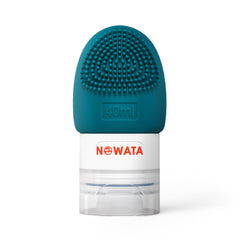
The refillable silicone bottle with brush, TSA-approved, and the brush matters more than we expected for clay and turf
A small towel. Water for drinking, not washing. Sunscreen. Bandages, tape, and an ice pack. That's the whole list, and it's short because most sports-bag hygiene advice assumes a bathroom exists, then quietly gives up when it doesn't.
Tournament weekends need a longer version of this. Our family travel hygiene kit covers hotels, rental cars, and the airport leg.
Choosing The Best Hand Soap For Youth Sports
If you're comparing options for sale online, here's what we'd tell a friend to check, including on our own product:
-
Mechanism. Does it remove contaminants or kill them where they sit? On dirty hands, removal is what the science supports.
-
Works dirty. If the label says “not for visibly soiled hands,” it isn't a sideline product.
-
Alcohol-free. Fewer stinging cuts, no flammability in a hot car, and nothing to taste at snack time.
-
Ingredient transparency. A brand should publish the full list, not summarize it as “naturally derived.”
-
Third-party testing. Ask which protocol, which lab, and which organisms. A percentage with nothing behind it isn't data.
-
Residue. Whatever stays on the hand goes in the mouth. Plan accordingly.
-
Cost per use. A bottle price means nothing without the use count behind it.
One more thing, and you should hear it from us rather than find out later. If there's a working sink with soap, use the sink. Soap and water are still the gold standard, and we won't pretend otherwise. NOWATA covers the rest of a sports weekend, which is most of it.
Where To Buy NOWATA Online
You can buy NOWATA™ Soap directly at nowataclean.com from $15.99. Free shipping over $45, a 30-day satisfaction guarantee, subscriptions if you'd rather not think about it again, and made in the USA. Bundles and team quantities work well for coaches and clubs.

“As doctors, we know that killing germs where they sit isn't the same as removing them. It took standing on our own kids' sidelines, watching a bag of orange slices go down a bench of filthy hands, to realize nobody had built the product that moment actually requires.
So we spent two years building one, and we tested it on our own children's hands after practice before we tested it on anyone else's.”
— Dr. Ruslan Maidans, DDS, and Dr. Yalda Shahriari, PhD (Biomedical Engineering), NOWATA Founders
Essential Resources
We read all of these before we formulated anything, and we still send them to parents who ask. Seven sources, no marketing, in the order we'd read them.
1. Find Out Why The FDA Itself Says To Skip Sanitizer On Dirty Hands
The FDA's consumer guidance states plainly that you shouldn't use hand sanitizer on visibly dirty or greasy hands. If you read one item on this list, read the paragraph that changed how we thought about the sideline.
Source: U.S. Food and Drug Administration, Safely Using Hand Sanitizer
2. See What Athletic Trainers Rank As The Single Best Defense Against Team Infections
The National Athletic Trainers' Association calls hand hygiene the single most important practice for reducing transmission of infectious agents. It specifies washing when hands are visibly dirty. This is the most sport-specific document on the list.
Source: National Athletic Trainers' Association, Position Statement: Skin Diseases
3. Read The Communicable Disease Rules Your Kid's League Already Follows
Little League's Appendix C sets out the hygiene and shared-equipment procedures that youth baseball and softball programs operate under, adapted from the national high school federation's policy. Ten minutes if you coach, and worth knowing if you don't.
Source: Little League International, Appendix C: Communicable Disease Procedures
4. Get Pediatrician-Backed Hand Hygiene Advice Written For Real Kids
The American Academy of Pediatrics lays out when children should clean their hands and how to build the habit early. It's refreshingly blunt that kids' hands are almost always visibly dirty, which is the whole problem.
Source: American Academy of Pediatrics, Hand Washing: A Powerful Antidote to Illness
5. Teach The Routine In Language Your Seven-Year-Old Will Actually Follow
Nemours KidsHealth breaks hand hygiene into steps a kid can repeat without an adult standing over them. It even suggests keeping a travel-size in the sports bag, which is roughly where we got the idea to make one.
Source: Nemours KidsHealth, Hand Washing: Why It's So Important
6. Look Up Exactly What's In The Bottle Before It Touches Your Kid's Hands
EWG's Skin Deep database lets you search any personal care product and see ingredient-level hazard ratings drawn from published toxicity research. It's free, it's searchable, and it's the fastest way to fact-check a label, including ours.
Source: Environmental Working Group, Users' Guide to Skin Deep
7. Learn The Test Standard That Separates Verified Claims From Clever Packaging
ASTM E1174 is the handwash efficacy standard the FDA references, and our own testing was modified from it. Knowing the standard lets you ask any brand the one question most can't answer: which protocol, and where's the data?
Source: ASTM International, E1174 Standard Test Method for Handwash Formulations
Supporting Statistics
Three numbers we couldn't unsee once we'd found them.
1. More Than Half Of American Kids Ages 6 To 17 Play Organized Sports
-
55% of youth ages 6 to 17 played organized sports in 2023, up from 54% in 2022, according to the National Survey of Children's Health.
-
65% tried a sport at least once in 2024, the highest rate on record.
-
The federal Healthy People 2030 target is 63% participation by 2030. Fourteen states and D.C. have already reached it.
What this meant for NOWATA: this isn't a niche. It's most of a generation, spending several hours a week in the one environment that has no sink and no plan for one. Nobody builds hygiene products for that room because that room has no walls.
Source: Aspen Institute Project Play, State of Play 2025: Participation Trends
2. Hand Hygiene Education Cuts Kids' Illness-Related School Absences By 29 To 57%
-
Handwashing education reduces absenteeism from gastrointestinal illness in schoolchildren by 29 to 57%.
-
It reduces diarrheal illness by 23 to 40%, and respiratory illness like colds by 16 to 21%.
-
The CDC credits the mechanism: surfactants and friction lift soil and microbes off skin.
What this meant for NOWATA: the CDC's own explanation of why soap works describes physical removal. Lift, trap, take away. Our question stopped being whether we could make a rinse-free soap and became how we'd deliver that exact mechanism with no running water. Clumping technology is the answer we landed on.
Source: Centers for Disease Control and Prevention, Handwashing Facts
3. A Running Faucet Burns About Two Gallons A Minute
-
The EPA notes that letting a faucet run for five minutes wastes 10 gallons of water, which works out to roughly two gallons a minute.
-
Each American uses an average of 82 gallons of water a day at home.
-
Every NOWATA use saves up to two gallons, at 80 to 100 uses per bottle.
What this meant for NOWATA: Dr. Yalda is an engineer, so of course she measured it. Once we'd counted our own family's handwashing against that number, the water math stopped being a marketing angle and started being the reason. We didn't build this to lecture anyone. We built it because we couldn't unsee our own total.
Source: U.S. Environmental Protection Agency, WaterSense Statistics and Facts
Final Thoughts And Opinion
Youth sports have a hygiene blind spot, and it's a strange one.
We mandate helmets. We have concussion protocols, pitch counts, heat policies, and a certified trainer on call. We've thought carefully about almost every way a child can get hurt on a field. Then we hand twelve kids one water jug and a bag of orange slices—and call it a day.
Our honest opinion, after two years in a lab and a lot longer than that on a bench: the gap doesn't persist because anyone is careless. It persists because every available answer was wrong for the setting.
-
Effective and safe = soap and water. Requires a sink. There is no sink.
-
Effective and convenient = sanitizer. Not labeled for dirty hands, which is the only kind of hand at a game.
-
Safe and convenient = wipes. They move dirt around, remove little, and fill the trash bag.
Parents were told to pick two. We rejected the premise, which is a grand way of saying we got tired of it.
To be straightforward about what we built:
-
It is not a replacement for soap and water when a sink is available.
-
It is not a medical product, and it does not prevent disease.
-
It is a doctor-made, plant-based, rinse-free soap that physically removes 99.9% of tested germs through a mechanism the science supports.*
If you take one thing from this page, take this. The fix isn't another rule for your league to adopt. It's a bottle on the bench.
Frequently Asked Questions
Q: How Do You Clean Kids' Hands At Sports Practice When There's No Sink?
A: Use a rinse-free soap that physically removes contaminants rather than a sanitizer that kills them where they sit. Apply one drop to dry hands, rub 30 to 45 seconds until clumps form, then brush the clumps off. It works on hands that are already dirty, which, after an hour on a field, is every hand out there.
Q: Does Hand Sanitizer Work On Dirty Hands At A Game?
A: Not well, and the label says so. Alcohol-based sanitizer is directed at hands that aren't visibly dirty or greasy. Dirt, oil, and sunscreen sit between the alcohol and the skin, so nothing gets lifted off. In a pinch, it beats nothing. It's not what the sideline needs.
Q: Is Hand Soap For Youth Sports Safe For Kids To Use Right Before Eating Snacks?
A: That depends entirely on what stays behind, and it's the question we cared most about as parents. NOWATA is 100% plant-based with no alcohol, parabens, or phosphates, and the clumps carry the contaminants off the skin instead of leaving them there. We tested it on our own kids' hands before snack time before we asked anyone else to.
Q: How Do You Handle Shared Water Jugs And Coolers On A Team?
A: Clean hands before the jug, not just after. The spigot is the most-touched surface of the game, and it gets touched by hands that were in the dirt thirty seconds earlier. Individual bottles help. A bottle of NOWATA on the cooler helps more, because it fixes the hands rather than the jug.
Q: How Do You Clean Hands In A Dugout?
A: Same routine, better timing. Clean up as players come off the field, before they touch the bench, the fence, and the snack bag. Brush the clumps on the ground outside the dugout. They're biodegradable, and they'll be gone before the next inning.
Q: Can Coaches Use NOWATA For A Whole Team? How Many Uses Are In A Bottle?
A: Yes. One bottle runs 80 to 100 uses, which covers a bench for a season in practice. Coaches tell us the easiest system is one bottle in the equipment bag and one in the first-aid kit. No sink, no power, no permissions, and no cleanup afterward.
Q: Is NOWATA Safe For Sensitive Skin And Kids With Allergies?
A: It's alcohol-free and gentle enough for frequent use on small hands, which matters most during flu season, when constant washing leaves knuckles cracked. One thing we'd rather tell you than have you discover: NOWATA contains ethyl macadamiate, derived from macadamia oil. Processing changes it substantially from its nut form, and EWG rates it low-risk, but if your child has a severe macadamia allergy, spot-test on a wrist first and ask your pediatrician. Our FAQ covers the full allergy answer.
Q: Where Can I Buy The Best Rinse-Free Hand Soap For Sports Fields Online?
A: Direct from nowataclean.com, from $15.99, with free shipping over $45 and a 30-day satisfaction guarantee. Bundles give you better value if you want one bottle for the sports bag and one for the car, which, after a season, is what most families end up doing.
Get Clean Hands On Your Sideline Before The Next Orange Slice
The sink isn't coming, but the snack bag is, and under a minute of rinse-free soap covers the distance between them. Buy NOWATA™ Soap online and put a bottle in the sports bag before Saturday.
*Based on laboratory testing using a modified ASTM E1174 test, NOWATA physically removed over 99.9% of virus (Murine Norovirus, a human norovirus surrogate) and bacteria (E.coli) particles from skin. Results do not imply disease prevention. For hand cleansing only.
Leave a comment