




Somewhere between the mooring and the fishing grounds, somebody's hands get grimy. It might be bait, winch grease, or a kid who grabbed the anchor line right before lunch. On most boats, washing up means running the galley tap, and that water comes out of the same tank you're counting on for coffee, cooking, and the dishes. After that, the soapy rinse goes over the side or into a tank you'll deal with later.
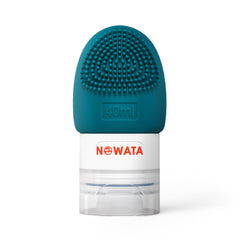
NOWATA™ cleans hands with zero water, so the tank stays full and nothing soapy reaches the water. We're parents first and scientists second, based in Groton, Connecticut, a short walk from the Thames River. NOWATA is a plant-based hand soap for the people aboard, so leave the hull and deck to your boat wash. It's made for bait-slick fingers, winch grease, and sticky kid hands between swims.
TL;DR Quick Answers
Hand Soap For Boating
The best hand soap for boating needs no water at all. Every sink wash on board draws from your fresh water tank and usually sends soapy rinse overboard. NOWATA works on dry hands instead:
-
Put a dime-sized drop on dry hands.
-
Rub until it clumps, lifting dirt, oil, and over 99.9% of germs*.
-
Brush the clumps into the trash.
A single tube covers 80 to 100 washes and fits in a ditty bag or tackle box.
Top 5 Takeaways
-
Your fresh water tank stays full. Hand washing stops drawing from it, so more stays available for drinking and cooking.
-
The used soap goes in your trash. Brush the clumps into a bag, and nothing soapy ends up in the harbor.
-
NOWATA removes germs instead of killing them. Dirt, oil, and over 99.9% of germs* clump up and brush away.
-
Two doctors made it, and a Swiss lab tested it. Microbe Investigations AG ran a modified ASTM E1174 test on the formula.
-
One tube stows anywhere. It lasts 80 to 100 washes and tucks into a helm cubby or tackle box.

Why Boaters, Sailors, And Anglers Need Rinse-Free Hand Soap
On most boats, the fresh water runs out before anything else does. A 36-foot cruiser typically carries around 80 gallons of fresh water. Careful crews plan on 4 to 6 gallons per person per day, and the most frugal get by on about one. That budget has to cover drinking, cooking, dishes, and rinsing off salt after a swim.
A sink hand wash costs you twice. First, it spends tank water, and a few seconds under the tap adds up fast across a crew and a long weekend. Then it creates soapy graywater, which either goes overboard or fills a holding tank.
Rinse-free soap breaks that loop, whatever kind of recreational boating you do. That covers a Sunday day sail, a week of coastal cruising, or a run offshore to fish. Nothing goes in, and nothing rinses out, so you save fresh water on a sailboat without rationing the water you actually need.
How To Wash Your Hands On A Boat With No Sink Or Fresh Water
A boat hand wash with no water takes about 45 seconds:
-
Apply a dime-sized drop of NOWATA to dry hands.
-
Rub your hands together until the soap and grime form small clumps.
-
Brush the clumps into a trash bag or bucket, never over the rail.
Those clumps are your proof it worked. If spray or a swim left your hands wet, towel them off first.
Fishing Boat Hand Soap: Bait, Fish Slime, And Fuel Dock Grime
On most fishing boats, hand soap means a bucket of seawater and whatever bar sits by the cleaning station. We'd rather you keep NOWATA in the tackle box. It's a hand soap for fishermen made for the moments when the sink is back at the dock:
-
After baiting hooks. Get the bait off your fingers before you grab a rod or the wheel.
-
After handling your catch. Lift the fish slime off before it ends up on your gear.
-
Before lunch. Clean up before anyone touches the sandwiches, with no water jug needed.
-
After the fuel dock or an engine check. Wipe out the oil and grime before it reaches your cushions, lines, or kids.
What Makes NOWATA The Best Hand Soap For Sailing And Boating
Plenty of products promise clean hands on the go. On the water, these are the differences that count:
-
It removes germs rather than killing them. Alcohol sanitizer kills some germs and leaves the dirt behind. NOWATA lifts dirt, oil, and over 99.9% of germs* off your skin and carries them away in clumps. Our side-by-side on waterless soap vs. hand sanitizer walks through the difference.
-
A lab tested it independently. Microbe Investigations AG, a Swiss lab, ran a modified version of the ASTM E1174 handwash test method and measured over 99.9% removal of E. coli and a norovirus surrogate.
-
It's gentle on salt-cracked hands. Our 100% plant-based, alcohol-free formula won't sting split knuckles or dry out sun-chapped skin, and it's kid-safe.
-
It's made for hands. Most marine soaps are built for hulls and decks. We built NOWATA for the crew.
-
It packs small. One biodegradable tube replaces soap, water, and paper towels. It's the same tube we recommend in our guide to the best hand soap for hiking and backpacking.
Keep The Water Clean: No Soapy Rinse Over The Side
Clean Marina programs in Connecticut and Massachusetts ask boaters to go easy on soap and to wash ashore when they can. Even soaps labeled "biodegradable" can harm marine life once they reach the water.
NOWATA takes that question off the table. With no rinse, you have nothing to discharge. The used soap goes into your trash, and the harbor stays the way you found it. We dig into what "biodegradable" really means in our guide to eco-friendly, biodegradable soap for camping.
RVers know the same squeeze between fresh water and graywater, and we cover it in our guide to hand soap for RV and van life. On a boat, you're simply closer to the water when it happens.

"We live in a Connecticut harbor town, and the boaters we talk to keep telling us the fresh water runs out before the fun does. NOWATA lets you clean your hands without spending a drop from the tank or putting any soapy rinse in the water."
— Dr. Ruslan Maidans and Dr. Yalda Shahriari, NOWATA founders
Essential Resources On "Hand Soap For Boating"
Before your next trip out, these seven resources cover the rules, the water, and the hand hygiene worth knowing.
1. Learn What Federal Law Says About Boat Wastewater
The EPA walks recreational boaters through marine sanitation devices, no-discharge zones, and pumpouts in plain language.
Source: EPA: A Recreational Boater's Guide to Vessel Sewage
2. Follow Connecticut's Clean Marina Playbook
Our home state's DEEP shares practical tips for handling graywater, oil, and onboard cleaners, including going easy on soap.
Source: CT DEEP: Clean Marina, Reducing Hazardous Waste
3. Manage Graywater The Clean Marina Way
The Massachusetts boater fact sheets explain why shoreside showers and dish stations beat washing aboard.
Source: Mass.gov: Massachusetts Clean Marina Guide, Boater Fact Sheets
4. Know What To Do If Fuel Hits The Water
The BoatUS Foundation explains how to report a spill, and why using soap to hide a sheen breaks the law.
Source: BoatUS Foundation: In Case of a Spill
5. Boat Greener With A Sailor's Guide To Spills
Sailors for the Sea lays out simple steps for stopping and containing a small fuel spill without making it worse.
Source: Sailors for the Sea: Oils & Fuel Spills
6. Learn Why Clean Hands Matter, Straight From The CDC
The CDC covers why clean hands are one of the simplest ways to stay healthy, on land or on the water.
Source: CDC: About Handwashing
7. Learn Why Even Biodegradable Soap Lingers In The Water
Leave No Trace shows how soapy wash water affects lakes, streams, and wildlife, and how to keep it out of the water entirely.
Source: Leave No Trace: Skills Series, Grey Water Disposal
Supporting Statistics
These three numbers make the case for keeping the rinse out of boat hand washing.
1. Soap And Oil Don't Mix, Legally
-
The Clean Water Act (33 CFR 153.305) bars boaters from using soap to disperse oil on the water or in the bilge without Coast Guard permission.
-
Each incident can cost up to $25,000.
-
Our take: Soap belongs out of the water, and a rinse-free hand soap keeps it there.
Source: Mississippi-Alabama Sea Grant Consortium: Tips for Clean Boaters
2. A Day Ashore Would Empty Most Boat Tanks
-
At home, each person uses about 80 to 100 gallons of water a day for indoor uses.
-
That's more than the roughly 80 gallons a 36-foot cruiser carries in its whole tank.
-
Our take: On board, the easiest gallons to save are the ones you'd spend washing your hands.
Source: U.S. Geological Survey: How Much Water Do I Use at Home Each Day?
3. Clean Hands Still Matter Offshore
-
A meta-analysis of 30 studies found that better hand hygiene cut stomach illness by 31% and respiratory illness by 21%.
-
Education paired with plain, non-antibacterial soap showed the biggest benefit, and antibacterial soap added little on top.
-
Our take: That finding fits how we formulated NOWATA, plant-based and alcohol-free with nothing harsh.
Final Thoughts And Opinion
Our honest take is that fresh water is the most underrated limit on a boat. A rinse-free hand soap solves a big share of that problem more simply than a low-flow faucet or a stricter water budget. Instead of rationing, you take hand washing off the tank entirely.
Where NOWATA fits on the water:
-
Day sailors and weekenders get clean hands without a trip below to the galley sink.
-
Liveaboards and coastal cruisers stretch the time between fill-ups and keep graywater down.
-
Anglers and charter crews clean up bait-slick hands before lunch and after the fuel dock.
-
Families with kids aboard handle sticky, sandy hands without a standoff at wash time.
Will it cover every drop you need on board? No. You'll still want water for drinking, cooking, and a rinse after a swim. For the dozen hand washes a day that quietly drain your tank, though, NOWATA is the smartest gallon you'll never spend.
Frequently Asked Questions
Q: How Do You Wash Your Hands On A Boat Without Using Fresh Water?
A: Use a rinse-free soap like NOWATA:
-
Apply a dime-sized drop to dry hands.
-
Rub for about 45 seconds until it clumps.
-
Brush the clumps into the trash.
You skip the sink and the rinse, and the tank stays full.
Q: Is NOWATA A Marine Hand Soap Or A Boat Wash?
A: NOWATA is a hand soap, made for the people aboard. For hulls, decks, and sails, use a boat wash made for marine surfaces, ideally at a shoreside wash station.
Q: What Is The Best Hand Soap For Fishermen On The Boat?
A: The best one works without a sink. NOWATA lifts bait slime, fish slime, oil, and grime off dry hands, and it rides in a tackle box. You're ready for lunch or the fuel dock with clean hands.
Q: Where Do The Used Soap Clumps Go On A Boat?
A: Put them in your trash bag or bucket, and never brush them over the side. Keeping them out of the water is the whole point of a rinse-free wash.
Q: Is NOWATA Gentle Enough For Kids And Salt-Dried Skin?
A: Yes. The formula is 100% plant-based and alcohol-free, with no parabens or phosphates. It won't sting split knuckles or dry out sun-chapped hands, and it's kid-safe for little ones aboard.
Q: How Many Washes Does One Tube Last On A Cruise?
A: Each tube gives you about 80 to 100 washes. At up to 2 gallons saved per wash, that works out to 100+ gallons of fresh water you don't have to carry, fill, or pump out.
Q: Where Can I Buy The Best Hand Soap For Boating Online?
A: You can buy NOWATA online at NowataClean.com. Orders over $45 ship free, and every order comes with a 30-day satisfaction guarantee.
Ready To Keep Your Fresh Water For The Things That Need It?
Pack the hand soap for boating, sailing, and fishing that physically removes 99.9% of germs* while your fresh water tank stays full and the soapy rinse stays out of the water. Get a tube of NOWATA at NowataClean.com and bring it aboard before your next trip out.
*Based on laboratory testing using a modified ASTM E1174 test, NOWATA physically removed over 99.9% of viruses (Murine Norovirus, a human norovirus surrogate) and bacteria (E.coli) particles from skin. Results do not imply disease prevention. For hand cleansing only.
Leave a comment