



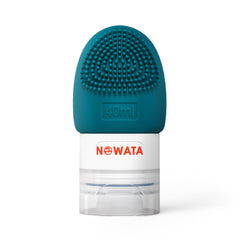

Winter outdoor hand hygiene asks you to clean up when your water is frozen, and wet hands are the last thing you want. Most guides skip that problem. We live with it.
We're Dr. Ruslan Maidans, a dentist, and Dr. Yalda Shahriari, a biomedical engineer, and we're raising two kids in Groton, Connecticut, where the snow days pile up by February. We made NOWATA™ for our own family first. Everything below comes from those winters, plus the public-health sources we trust most.
TL;DR Quick Answers
Winter Outdoor Hand Hygiene
Winter outdoor hand hygiene means cleaning your hands before you eat and after the bathroom, bait, fuel, or shared gear, using a method that works when your water is frozen and leaves your skin dry. A rinse-free soap does exactly that by removing dirt and germs with no rinse at all.
The short version:
-
Melted snow costs fuel. Every pot you melt on the stove burns fuel you carried in, so save that water for drinking and dinner.
-
Wet skin loses heat fast in the wind. Dry your hands completely after any wash, or skip the water altogether.
-
Norovirus peaks in winter. The CDC says outbreaks are most common from November to April, and alcohol sanitizer may not help against it.
-
Rinse-free soap keeps hands dry. Put a dime-sized drop on dry hands, rub until it clumps, brush it off, and pull your gloves back on.
-
Timing matters more than frequency. One wash right before lunch does more good than several random ones.
Top 5 Takeaways
-
Hand washing when water is frozen starts with a fuel budget. Once you're melting snow, rinse water competes with drinking water and dinner.
-
Wet hands in the wind are the winter hazard most people overlook. OSHA lists wetness as a cold-stress risk factor, and wind pulls heat off damp skin even faster.
-
Stomach-bug season and ski season share a calendar. Lodges, warming huts, and ice shanties fill up right when norovirus peaks.
-
Sanitizer works best on clean hands. The FDA says not to use it on visibly dirty or greasy hands, which describes most hands after a morning on the ice.
-
Removing grime beats rinsing it when it's 15 degrees out. Your skin stays dry, and nothing soapy ends up on the snow.

Why Winter Breaks The Usual Handwashing Rules
Summer makes outdoor hand hygiene inconvenient. Winter makes it hard, and for specific reasons.
Your water freezes, or you have to make it. A jug in the truck bed can freeze solid by midmorning. Hydration hoses ice up on the chairlift, and most campgrounds shut their pumps off for the season. On a winter camping trip, your water usually starts as snow in a pot, and melting snow burns far more stove fuel than heating water that's already liquid. Every rinse becomes a trade against hot cocoa.
Wet hands in the wind lose heat quickly. Frostbite is the freezing of skin and the tissue underneath, and fingers are often the first place it shows up. OSHA lists wetness among the risk factors for cold stress and notes that wind drives heat out of the body faster. Washing up at the tailgate in January combines both.
Norovirus hits hardest in winter. Outbreaks peak between November and April, the same months everyone crowds into lodges, rental shops, and shuttle buses. Alcohol has a hard time with this virus because norovirus lacks the fatty outer coat that alcohol breaks apart. We laid out the difference in our side-by-side look at waterless soap versus hand sanitizer.
How To Wash Your Hands In Freezing Weather
When You Have Warm Water
-
Heat your wash water first, from a thermos or the stove. Ice-cold jug water only makes your hands colder.
-
Get out of the wind. A truck door or the lee side of a shanty works fine.
-
Lather with a biodegradable soap and scrub for 20 seconds.
-
Dry every finger completely.
-
Put your liners and gloves back on right away.
-
Carry the soapy water well away from lakes, streams, and trails before you dump it. Snow only holds it until the spring melt sends it downhill toward the water. Our guide to biodegradable camping soap explains why that label never makes soap safe for a stream.
When Your Water Is Frozen: The Rinse-Free Method
-
Apply. Squeeze a dime-sized drop of NOWATA onto dry hands. On a bitter day, pull off one glove at a time.
-
Rub. Keep going for about 45 seconds, until the formula forms clumps.
-
Brush off. Let the clumps fall into a trash bag or onto snow well away from trails and water.
-
Glove up. Your hands stayed dry the whole time.
NOWATA is 100% plant-based and alcohol-free, so it won't sting knuckles if the wind has already cracked. One tube lasts 80 to 100 uses. If you're packing for a longer trip, our guide to choosing a hand soap for hiking and backpacking walks through the rest of that decision. Independent Swiss lab testing on a modified ASTM E1174 protocol found that NOWATA physically removed over 99.9% of E. coli and a norovirus surrogate from skin.*
*Based on laboratory testing using a modified ASTM E1174 test, NOWATA physically removed over 99.9% of virus (Murine Norovirus, a human norovirus surrogate) and bacteria (E.coli) particles from skin. Results do not imply disease prevention. For hand cleansing only.
When You Have Nothing At All
Clean snow rubbed hard between your palms will knock loose grime off. It won't reliably remove germs, though, and it leaves your hands wet and cold. Dry them thoroughly afterward, then keep them away from your face and your food until you can clean up properly, because the cleaner still isn't clean.
Winter Hand Hygiene Tips By Activity
The moments that matter stay the same all winter. What changes is whatever stands between you and clean hands.
-
Skiing and snowboarding. Good ski trip hygiene means cleaning up before lunch and after the base-area portable toilets. Rental gear and lift-line railings count too. A small tube in your jacket pocket beats waiting in the lodge bathroom line at noon.
-
Ice fishing. Ice fishing hand cleaning comes down to four moments, which are after bait, after cleaning fish, after fueling the auger or heater, and before you eat in the shanty. Skip rinsing in the hole, since that's freezing lake water. Brush the clumps into your trash bag instead of onto the ice, because whatever you leave on the ice ends up in the lake at ice-out.
-
Snowmobiling. Snowmobiling hygiene centers on fuel stops and trailside lunches. Gas and oil leave the kind of greasy film the FDA says sanitizer shouldn't be used on, so clean your hands before food ever touches them.
-
Winter camping and snowshoeing. Winter camping hand washing follows the same four moments laid out in our complete outdoor hand hygiene guide. Only the water supply changes. Clean before you cook and after catholes or pit toilets, and save every ounce of melted snow for drinking.
-
Sledding and snow days with kids. Kids won't put up with wet hands in the cold, and we don't blame them. Ours ask for NOWATA before hot cocoa because they like watching the grime roll off in little clumps.

"Winter showed us something summer hides. The hard part of outdoor hand hygiene is finding water you can spare and hands you're willing to get wet, and once you take the water out of the equation, people actually clean up."
— Dr. Yalda Shahriari, PhD in Biomedical Engineering, NOWATA co-founder
Essential Resources On "Winter Outdoor Hand Hygiene"
We keep coming back to these seven sources. Each one comes from a different organization and picks up where this guide stops.
1. Know How Cold And Wind Pull Heat From Your Hands
OSHA explains how wind and wetness, even from sweat, speed up heat loss, and it lists the warning signs of frostbite, chilblains, and hypothermia. OSHA wrote it for outdoor workers, which is why it reads so practically.
Source: OSHA, Winter Weather: Cold Stress
2. Learn When And How To Wash Your Hands The Right Way
The National Library of Medicine walks through when to wash, how to do it properly, and why hands spread germs even when they look clean. Every winter routine should start from this baseline.
Source: MedlinePlus, Handwashing
3. Keep Sanitizer Away From Stoves, Heaters, And Campfires
The FDA warns that alcohol hand sanitizer is flammable and tells you to rub your hands until they're completely dry before going near heat, sparks, or open flames. It also says to skip sanitizer on visibly dirty or greasy hands, and both points apply in a shanty with the heater running.
Source: FDA, Safely Using Hand Sanitizer
4. Protect Chapped, Cracked Winter Hands
Board-certified dermatologists recommend gloves that keep dry skin from getting wet and shield it from cold, dry air, plus moisturizer after every hand wash. Their advice backs up everything we say about keeping winter hands dry and covered.
Source: American Academy of Dermatology, Dermatologists' Top Tips for Relieving Dry Skin
5. Keep Soap Out Of Frozen Lakes And Streams
Leave No Trace explains why soap doesn't belong in any water source, whatever the label says about biodegradability. Frozen lakes thaw eventually, so the rule holds all winter long.
Source: Leave No Trace, The Skinny on Soap
6. Plan A Winter Backcountry Trip The Right Way
Glacier National Park issues winter wilderness permits by reservation from November 1 through April 30 and spells out the safety gear, avalanche preparation, and Leave No Trace rules it expects from winter campers. Use it as a model for what serious winter planning looks like.
Source: National Park Service, Glacier National Park Winter Wilderness Camping
7. Understand How Stomach Bugs Spread In Shared Shelters
The Appalachian Trail Conservancy tracks how norovirus moves through shelters and shared food, and it warns hikers that alcohol sanitizer may not work against it. Swap "shelter" for "warming hut," and it reads like winter advice.
Source: Appalachian Trail Conservancy, Norovirus & Stomach Bugs
Supporting Statistics
We built NOWATA around what we kept running into on family trips, then checked our instincts against the data. These three numbers held up.
1. About 2,500 Norovirus Outbreaks A Year, Mostly In Winter
-
The CDC counts about 2,500 reported norovirus outbreaks in the U.S. each year.
-
Outbreaks happen year-round but are most common from November to April.
-
Norovirus can survive on surfaces for days or weeks and resists many common disinfectants.
-
Our take: Think about a lodge table during the lunch rush. We'd rather get germs off our hands than hope they were dealt with in place.
Source: CDC, Norovirus Outbreaks
2. At 0°F With A 20 MPH Wind, Exposed Skin Can Freeze In 30 Minutes
-
The National Weather Service puts the wind chill at -22°F when the air is 0°F, and the wind blows at 20 mph.
-
In those conditions, exposed skin can freeze in 30 minutes.
-
The same NWS office issues extreme cold warnings for Litchfield County, Connecticut, once wind chills reach 20 below zero or colder.
-
Our take: Bare, wet fingers are about as exposed as skin gets. We'd rather keep those gloves-off minutes dry.
Source: National Weather Service Albany, Definitions for Extreme Cold
3. 57.7 Million Americans Went Fishing In 2023
-
RBFF reports that a historic 57.7 million Americans aged six and up went fishing in 2023.
-
That's 19% of the U.S. population, the highest participation rate in 16 years.
-
More than 23% of anglers dropped out of fishing that same year.
-
Our take: Plenty of those anglers keep fishing through winter on the ice. We'd bet cold, fishy, wet hands are one small reason some people stay home, and small comforts are part of what keeps people coming back.
Source: Recreational Boating & Fishing Foundation, Fishing and Boating Research
Final Thoughts And Opinion
The reasons to clean your hands stay the same in winter, but the cost of doing it goes up.
Your water is either frozen or made from fuel you already paid for. Wet skin in the wind is a genuine problem, and the busiest weeks on the mountain line up with stomach-bug season.
What we'd tell you at the lodge table:
-
Pick your moments. Before food and after the bathroom, bait, or fuel covers almost everything.
-
Treat water like fuel, because in winter that's what it is. Drink it and cook with it before you ever rinse with it.
-
Keep sanitizer as a backup for clean hands, and let it dry fully before you go near the heater.
-
Make clean-up visible for kids. Ours will wash for a result they can see.
Our opinion, stated plainly: in winter, the best hand hygiene is the kind that never asks you to get your hands wet. Save your melted snow for cocoa. We made NOWATA safe enough for toddler snack hands and tough enough for trail grime, and winter tests that promise harder than any other season.
Frequently Asked Questions
Q: How Do You Wash Your Hands When The Water Is Frozen?
A: Use a rinse-free soap.
-
Put a dime-sized drop on dry hands.
-
Rub for about 45 seconds, until it clumps.
-
Brush the clumps off, away from trails and water.
If you have to use water, warm it first, wash out of the wind, and dry every finger before your gloves go back on.
Q: Is It Safe To Wash Your Hands With Snow?
A: Only as a last resort. Snow can knock off loose dirt, but it won't reliably remove germs, and it leaves your skin wet and cold. Dry your hands right after, and clean them properly at your next chance.
Q: How Do You Clean Your Hands While Ice Fishing?
A: Clean up after bait, after cleaning fish, after fueling, and before you eat. Rinse-free soap works inside the shanty without any water, and the clumps go straight into your trash bag. We never rinse in the hole, since that's freezing lake water.
Q: What's A Good Hand Hygiene Routine For A Ski Trip?
A: Two moments do most of the work:
-
Before lunch
-
After the bathroom
Add a quick clean after rental gear or a packed shuttle. A small tube in your jacket pocket means you're not stuck in the lodge restroom line.
Q: How Do Snowmobilers Keep Hands Clean On The Trail?
A: Clean after every fuel stop and before you eat. Gas and oil leave a greasy film, and the FDA says not to use sanitizer on greasy hands. Rinse-free soap lifts that grime off at a trailside stop without any water.
Q: Can Wet Hands Increase Frostbite Risk?
A: OSHA lists wetness as a cold-stress risk factor, and wind pulls heat from damp skin faster. Dry your hands completely after washing and cover them quickly. If you notice numbness or gray or white patches on your skin, get medical care.
Q: Does Hand Sanitizer Work In Winter?
A: It works on clean hands. Winter hands rarely stay clean for long, though, and the FDA says to wash instead when hands are visibly dirty or greasy. Sanitizer is also flammable, so let your hands dry fully before you get near a stove or heater. The Appalachian Trail Conservancy adds that alcohol sanitizer may not work against norovirus, which peaks in winter.
Q: Is NOWATA Safe For Kids On Snow Days?
A: Yes. NOWATA is 100% plant-based, alcohol-free, and kid-safe, and we tested it on our own two kids before anyone else's. It does contain ethyl macadamiate, which comes from macadamia oil. If your child has a severe macadamia nut allergy, try a small spot test first and check with your doctor.
Pack Clean Hands For Your Next Cold-Weather Trip
Winter outdoor hand hygiene gets a lot simpler when your soap doesn't need water and never leaves your hands wet in the wind. Tuck a tube of NOWATA rinse-free soap in your jacket and shop at NowataClean.com before your first day on the slopes, the ice, or the winter trail.
*Based on laboratory testing using a modified ASTM E1174 test, NOWATA physically removed over 99.9% of viruses (Murine Norovirus, a human norovirus surrogate) and bacteria (E.coli) particles from skin. Results do not imply disease prevention. For hand cleansing only.
Leave a comment